Key takeaways of this blog
-
Drowning is Silent: Unlike movie depictions, drowning victims rarely splash or scream; panic and water in the lungs make vocalization impossible.
-
High-Risk Canadian Environments: In Canada, 56.3% of child drowning incidents occur in residential/public pools, while 21.4% occur in bathtubs (73% of which involve infants under age 1).
-
Immediate Action Required: Drowning response requires immediate removal from water, checking for pulse/breathing, beginning CPR immediately, and rolling the victim onto their side if vomiting occurs to clear the airway.
The Reality of Drowning: A Silent Emergency
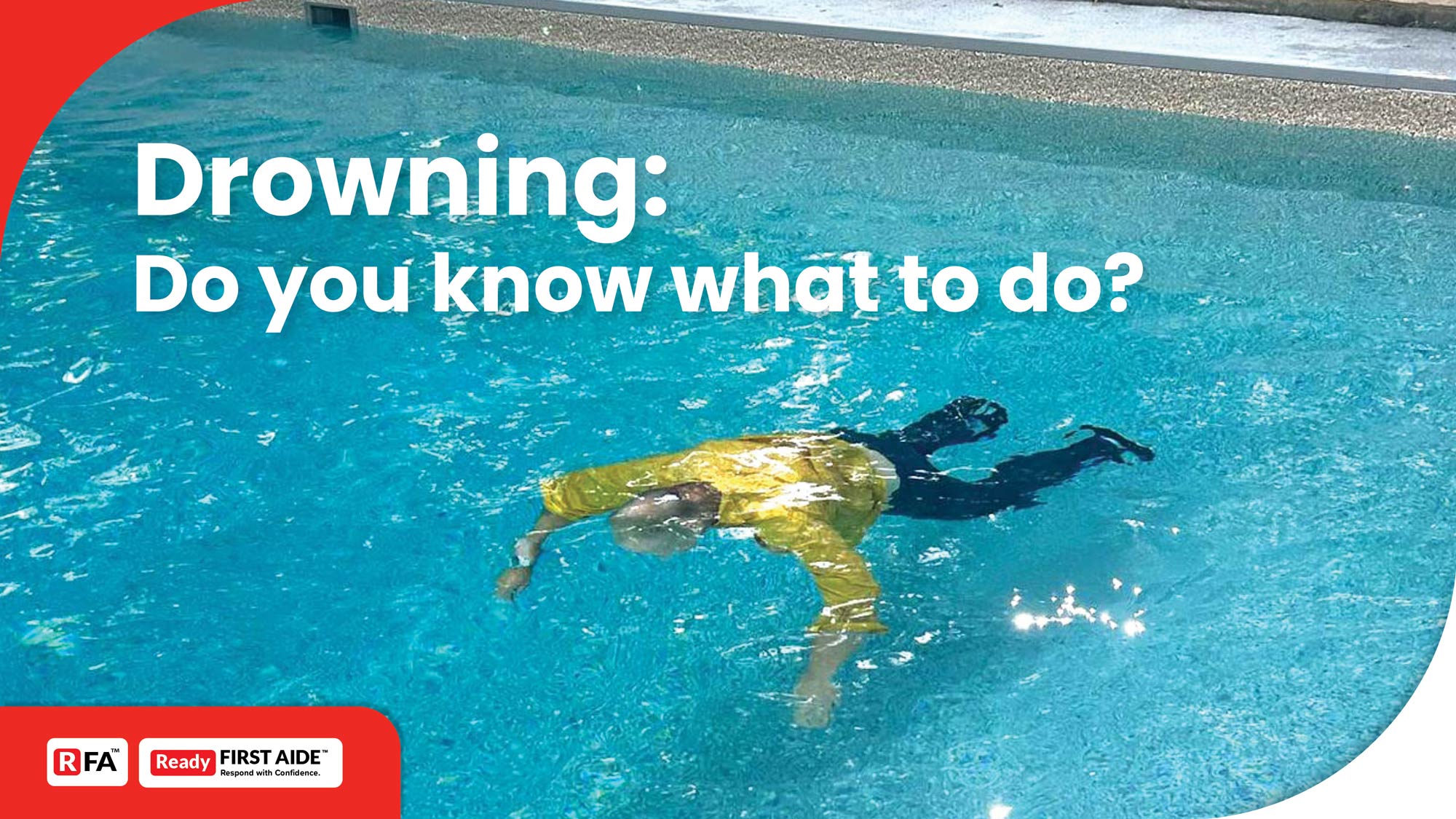
Drowning is a major cause of accidental injury and death, yet it remains widely misunderstood. Popular media often depicts drowning as a loud, dramatic event with splashing and shouting. In reality, drowning is almost always silent.
When a person enters the active drowning stage, panic sets in and lungs fill with water, making it impossible to call for help or kick effectively. Their arms extend naturally to press down on the water for leverage, but without buoyancy, they can slip beneath the surface in seconds.
For parents, caregivers, and community members, understanding this reality is the first step toward effective prevention: you must watch children with your eyes, not your ears.
Canadian Drowning Statistics: Where Risks Are Highest
Data from the Canadian Health Infobase highlights how quickly water-related tragedy can occur, particularly among infants and young children. Drowning ranks as the #1 cause of accidental death for children aged 1–4 and the #2 cause for ages 5–14.
-
Swimming Pools (56.3% of Incidents) The majority of child drowning cases occur in residential or public swimming pools, primarily affecting infants and children under nine years old. Constant, unyielding supervision is essential whenever a child is near a pool—even if fences or alarms are present.
-
Bathtubs (21.4% of Incidents) Bathtub drownings represent over a fifth of reported cases, with a staggering 73% involving infants under one year old. Because infants lack core strength and motor coordination, they can lose their footing and submerge in just a few inches of water without making a sound. A moment of distraction in the bathroom can lead to immediate disaster.
-
Natural Waterways (18.8% of Incidents) Rivers, lakes, ponds, and open ocean environments account for nearly 20% of drowning incidents. These environments present unpredictable risks, including:
- Hidden drop-offs and sudden depth shifts
- Strong undertows and cold-water shock
- Lack of lifeguard oversight or physical barriers
Step-by-Step Emergency Response & Bystander Action
- Check for Responsiveness & Breathing: Look for chest movement, skin color changes, or signs of life.
- Call 9-1-1: Direct a specific bystander to call emergency services and locate an AED.
- Begin CPR Immediately: If there is no pulse or breathing, initiate CPR with rescue breathing immediately to deliver oxygen to oxygen-deprived brain tissue.
- Manage Vomiting Correctly: Victims frequently swallow or inhale water, leading to vomiting during resuscitation. If this occurs, turn the victim onto their side immediately to allow fluid to drain and clear the airway before resuming CPR.
Closing the Bystander Hesitation Gap
When an emergency happens, bystanders often hesitate due to fear of making a mistake. You can build the psychological readiness and skills needed to save a life through our Become a Willing Bystander™ Program.Authoritative Resources for Water Safety in Canada
Preventing drowning requires community awareness and reliable research. For additional regional data, safety guidelines, and educational materials, consult these trusted Canadian organizations:- Lifesaving Society Canada: Provides national drowning research, swim instruction frameworks, and water safety training protocols.
- Drowning Prevention Research Centre Canada: The primary agency for water-incident research and policy data across Canada.